

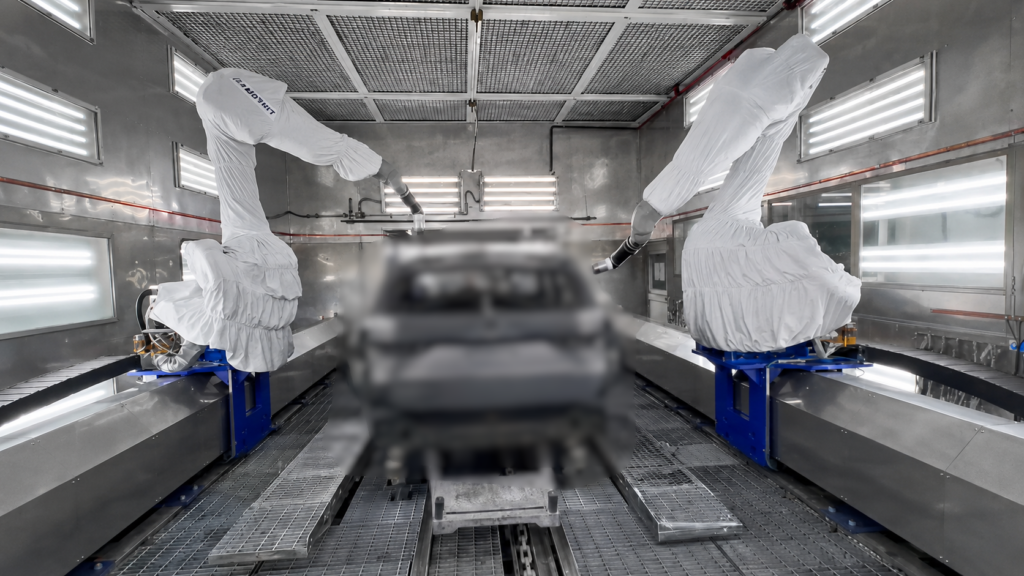
Is your robot exposed to these risks?
Unprotected robots wear faster, break down sooner, and drag production down with them.
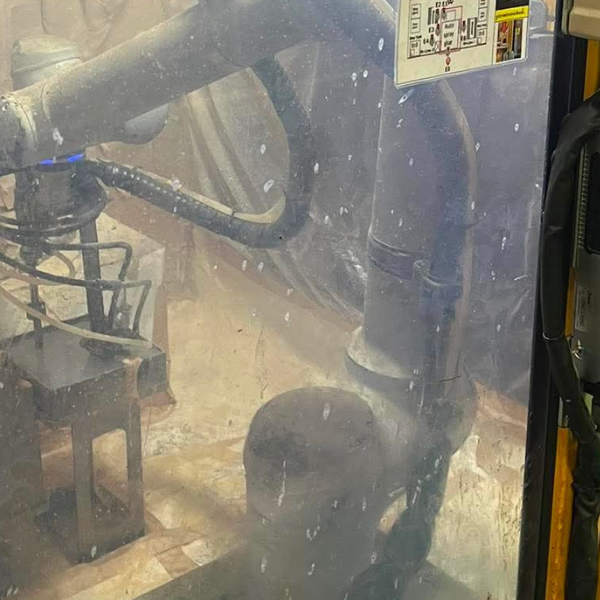 Dust / Powder
Dust / Powder
Dust, powder, and debris build up around joints and motors — harder cleaning and a heavier maintenance load.
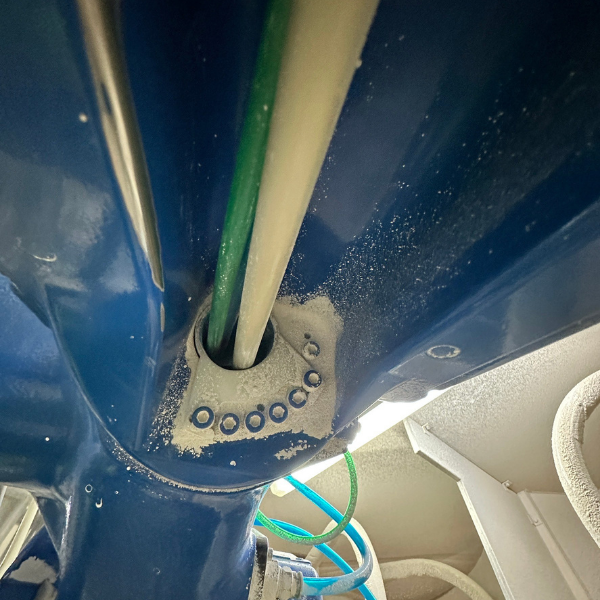 Oil / Paint
Oil / Paint
Oil mist, paint, and coating residue cling to the robot body and surrounding equipment.
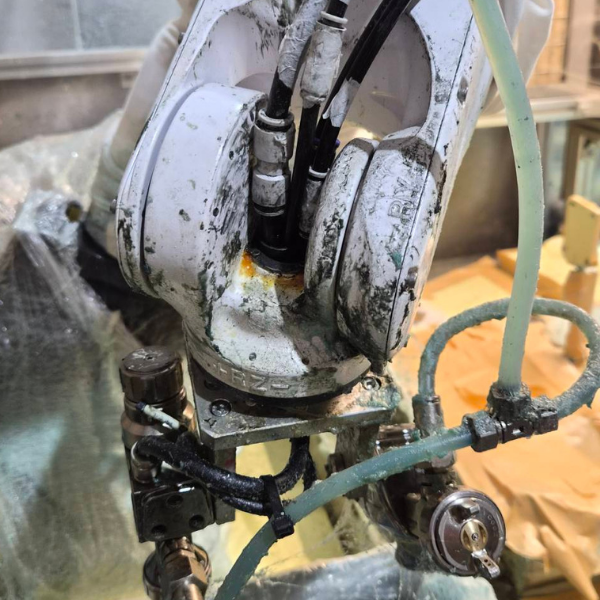 Chemical
Chemical
Chemicals and cleaning agents can attack surfaces, components, and shorten service life.
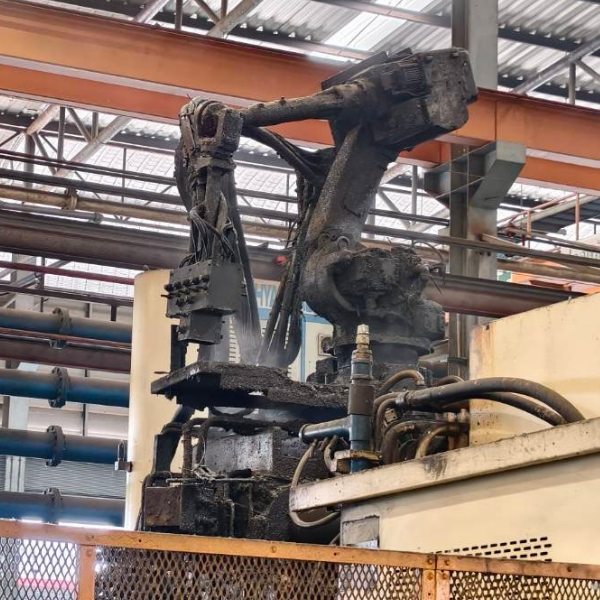 Heat / Spatter
Heat / Spatter
Heat, welding spatter, and sparks are the leading cause of early cover failure.
What is a robot protective cover?
A robot protective cover is a tailor-made industrial jacket designed to help protect robot arms from contaminants, heat, spatter, paint, chemicals, and process-related exposure.
It is not just a “fabric cover.” It is a protective component that has to account for how the robot actually moves — its stretch and fold range, friction points, and real working conditions.
Why catalog covers fail
- Not designed around the robot’s real range of motion
- Ignores flex cables, hoses, EOAT, and accessories
- Material not matched to heat, spatter, paint, or chemicals
- Fits too loose or too tight — so it tears early
Catalog covers vs FABOTSUIT® custom-fit
The difference isn’t the fabric — it’s understanding how the robot actually moves.
Catalog / off-the-shelf
- ✕ Standard sizing that doesn’t match your robot model
- ✕ Ignores rotation range and fold points — so seams split
- ✕ Material picked from a catalog, not your real working conditions
- ✕ Tears early, replaced often, higher long-term cost
- ✕ Overseas support — slow to respond
FABOTSUIT® custom-fit
- ✓ Designed around your robot model and real range of motion
- ✓ Accounts for stretch/fold range, friction points, and EOAT
- ✓ Material matched to dust, paint, chemicals, heat, or weld spatter
- ✓ Designed to help reduce replacement and cleaning frequency
- ✓ Local Thai team — fast response, on-site measurement
Designed by people who understand industrial robots — not just fabric.
Robot Motion Understanding
We consider robot movement, axis range, cable routing, hose movement, and common failure points.
CAD / Measurement-first
We design from CAD, robot model data, or on-site measurement — so the cover fits your real working conditions.
Local Thai Support
Easy to reach, fast to respond, available on-site, and ready to assess before production for factories in Thailand.
Material selected to match your application
Each fabric is chosen for the protection your robot actually needs. Suitability and service life depend on working environment and application.
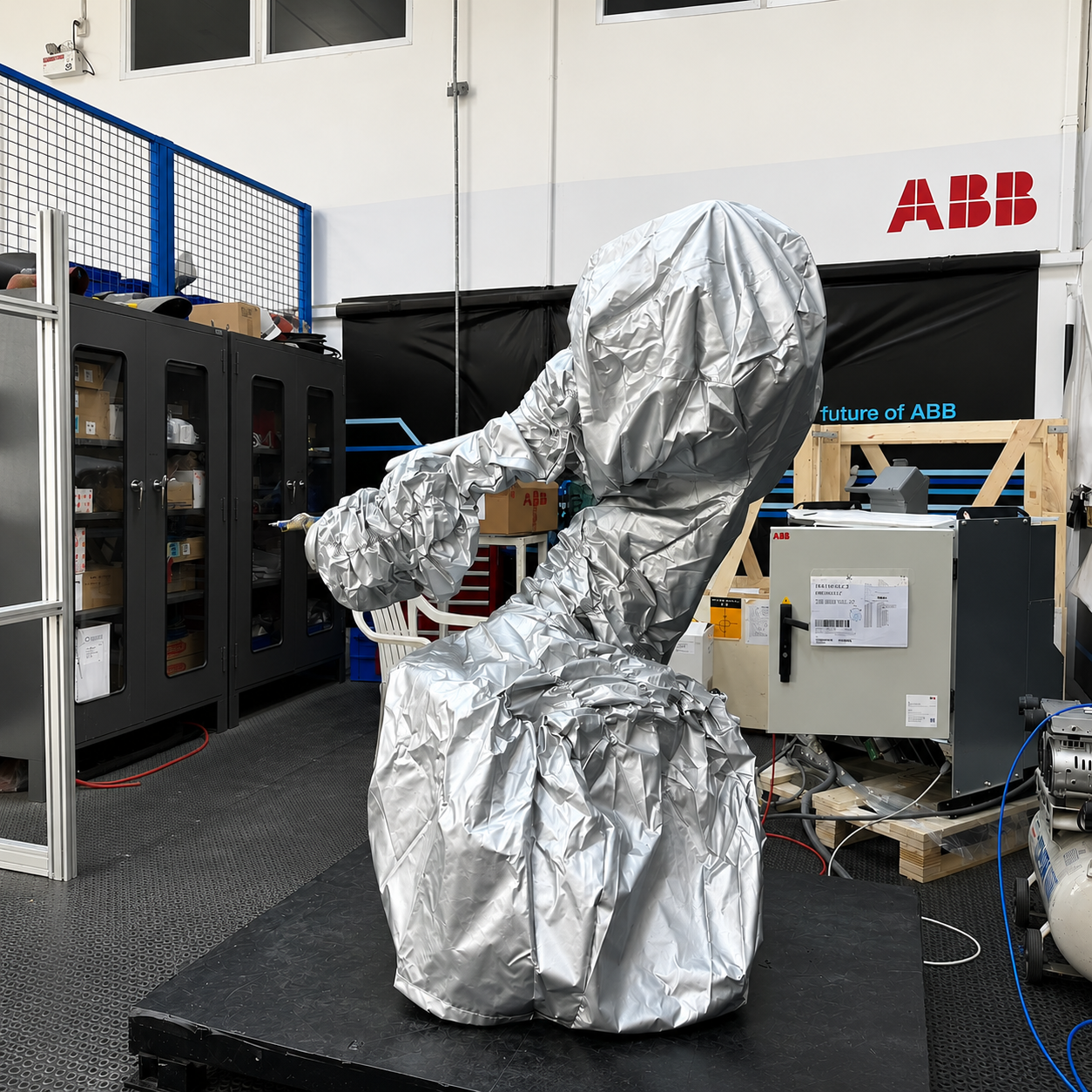 FBD01
FBD01Dust & Light Water Mist
Grinding, deburring, machining
General dust protection
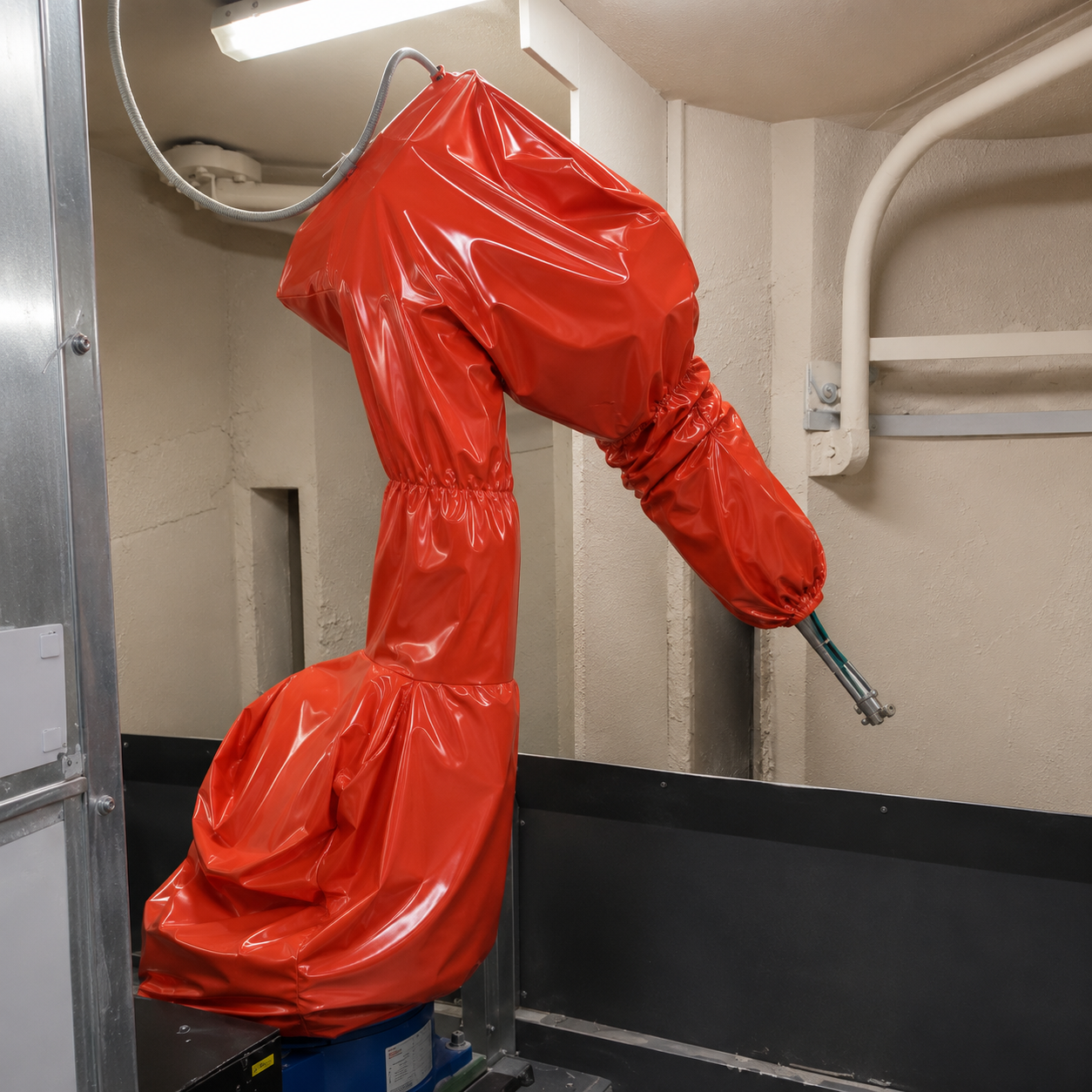 FBD02
FBD02Dust & Water Mist
Wet machining, moisture environments
Better water resistance than FBD01
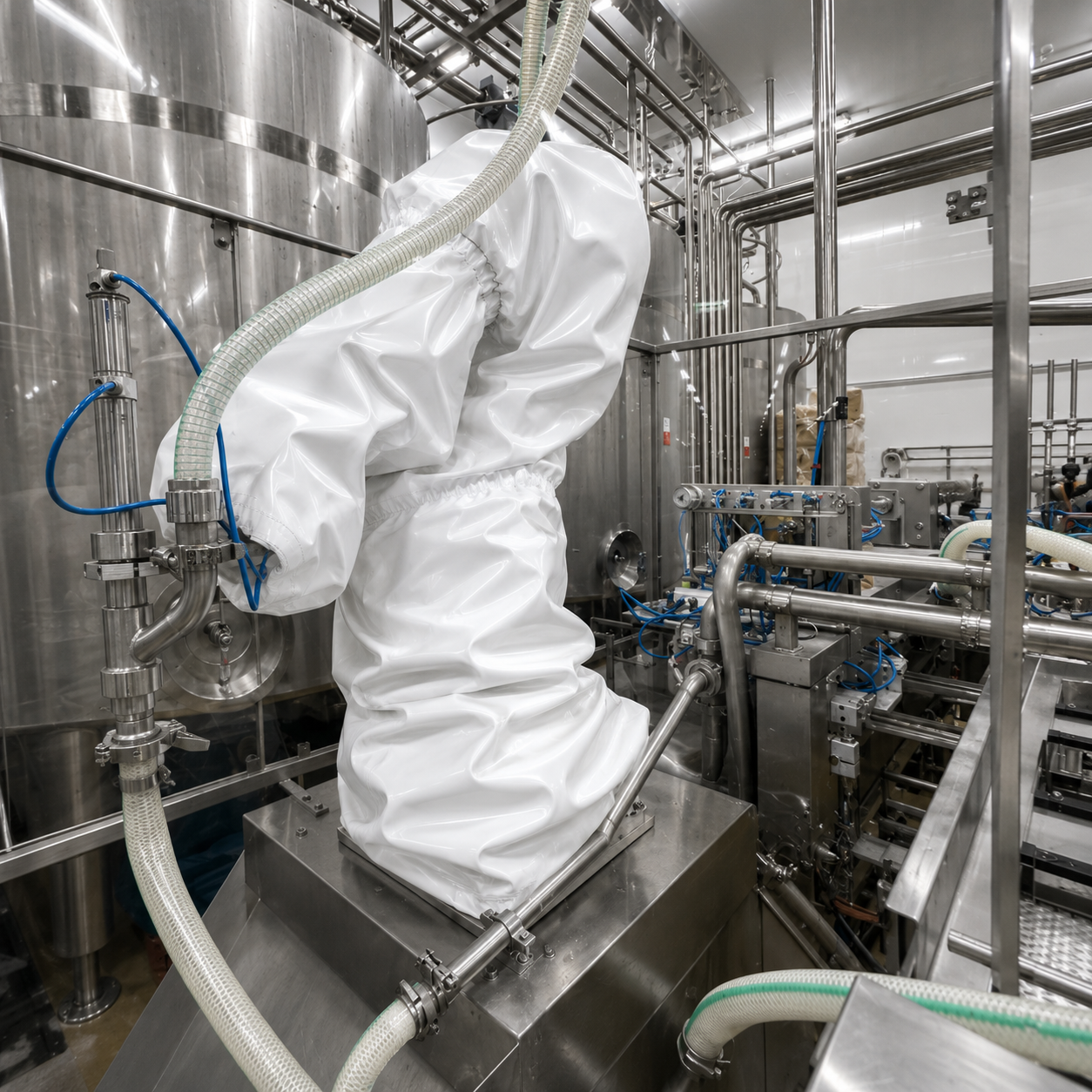 FBF01
FBF01Anti-Bacterial
Food, beverage, pharmaceutical
Food-contact environment
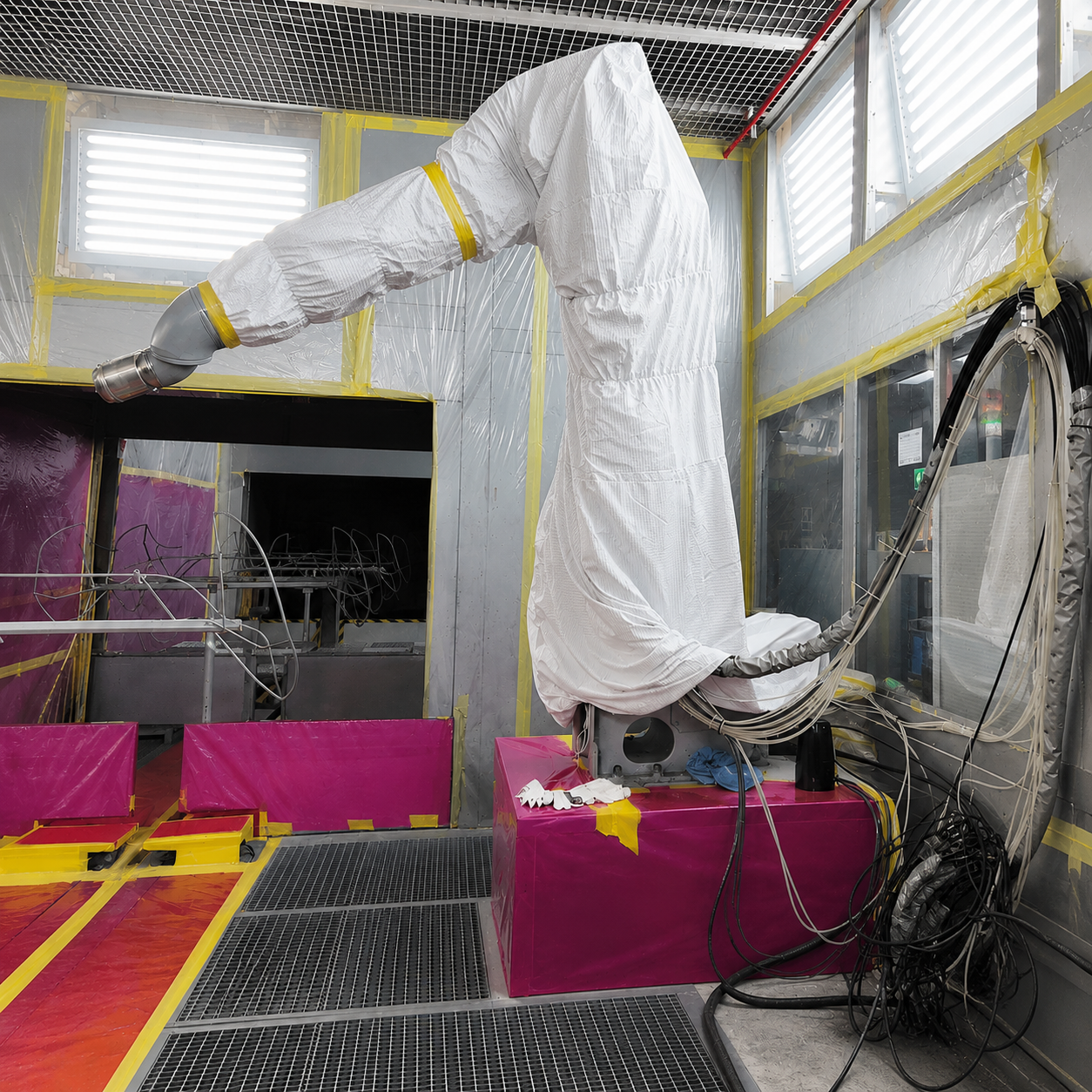 FBP01
FBP01Paint Overspray, Solvent, ESD
Paint shop
For paint applications
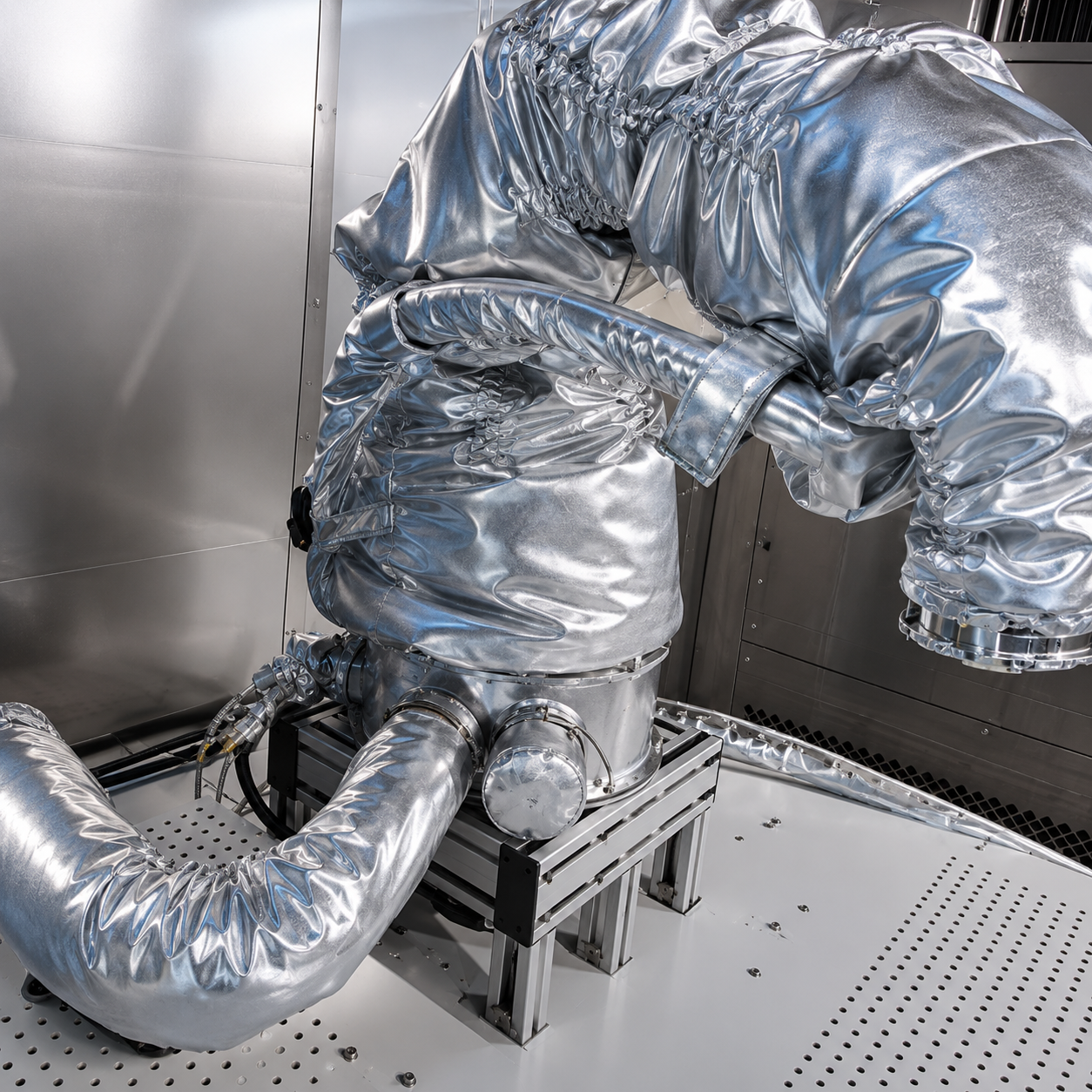 FBP02
FBP02Dust + Air Purge System
Paint shop, dust environments
Positive pressure; does not prevent solvent vapor entering robot
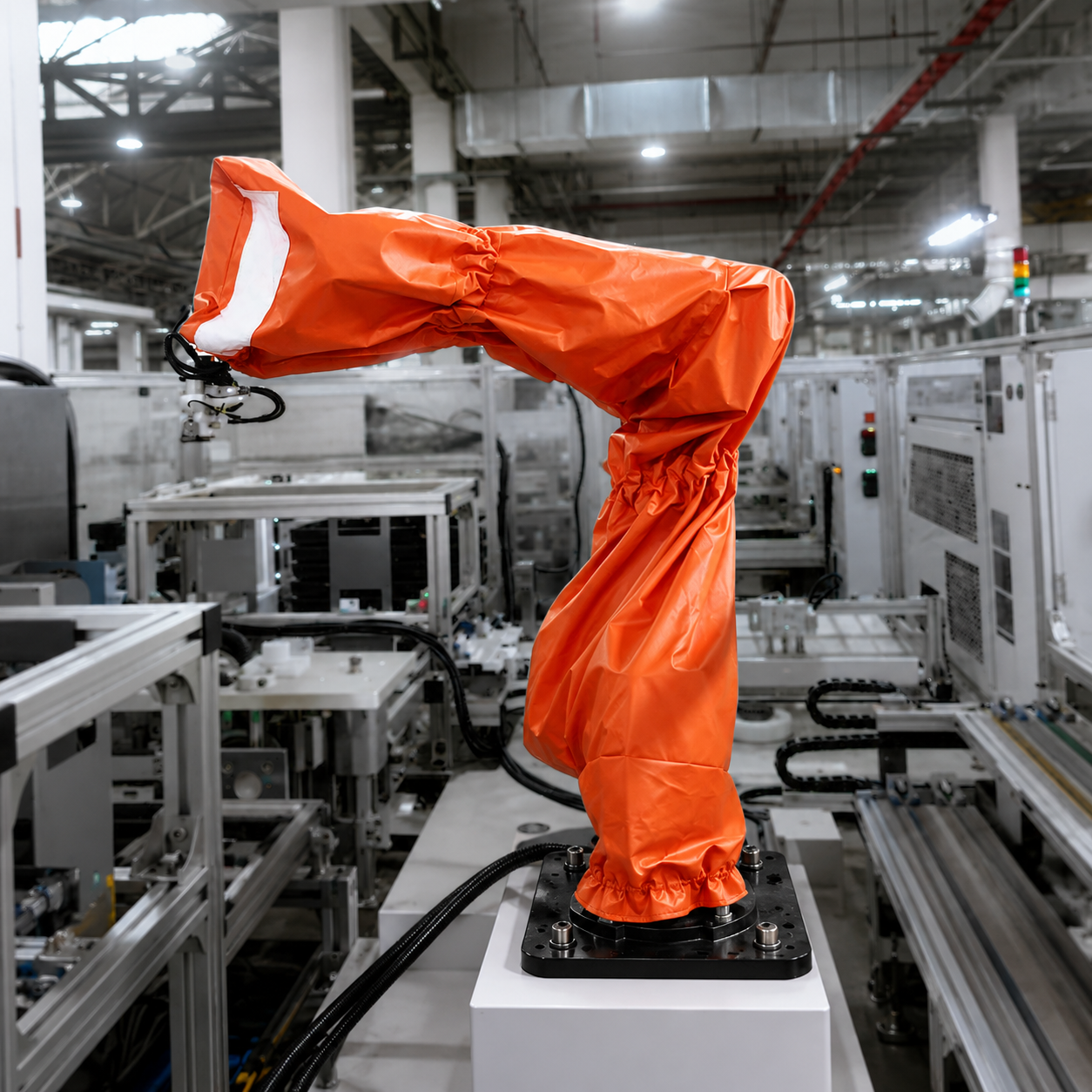 FBA01
FBA01Glue, Coolant, Oil Splash, Powder Coating
Glue dispensing, sealant, coolant
Flexible industrial protection
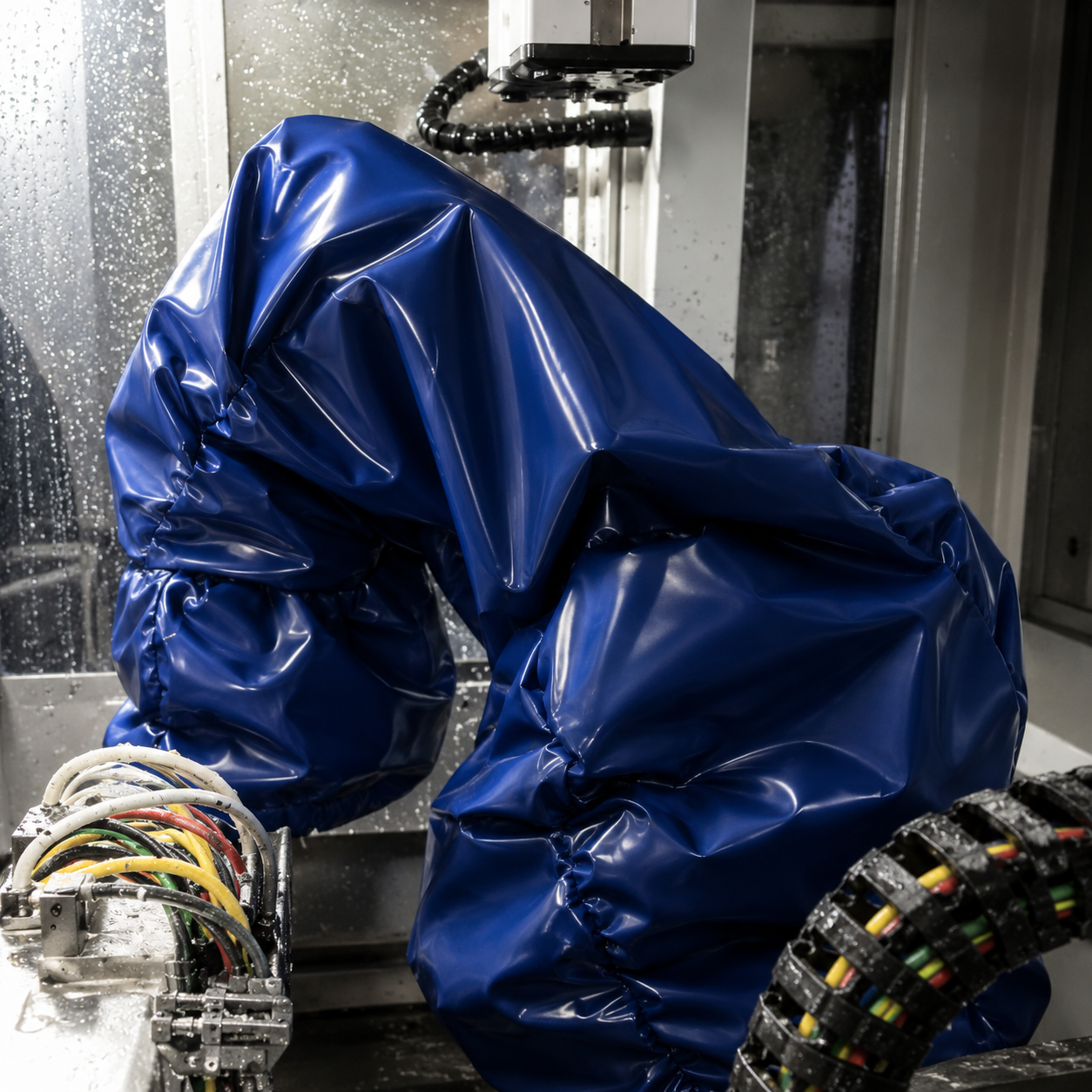 FBA02
FBA02Acid, Alkali, Chemical Splash
Chemical process
Thick fabric, lower flexibility
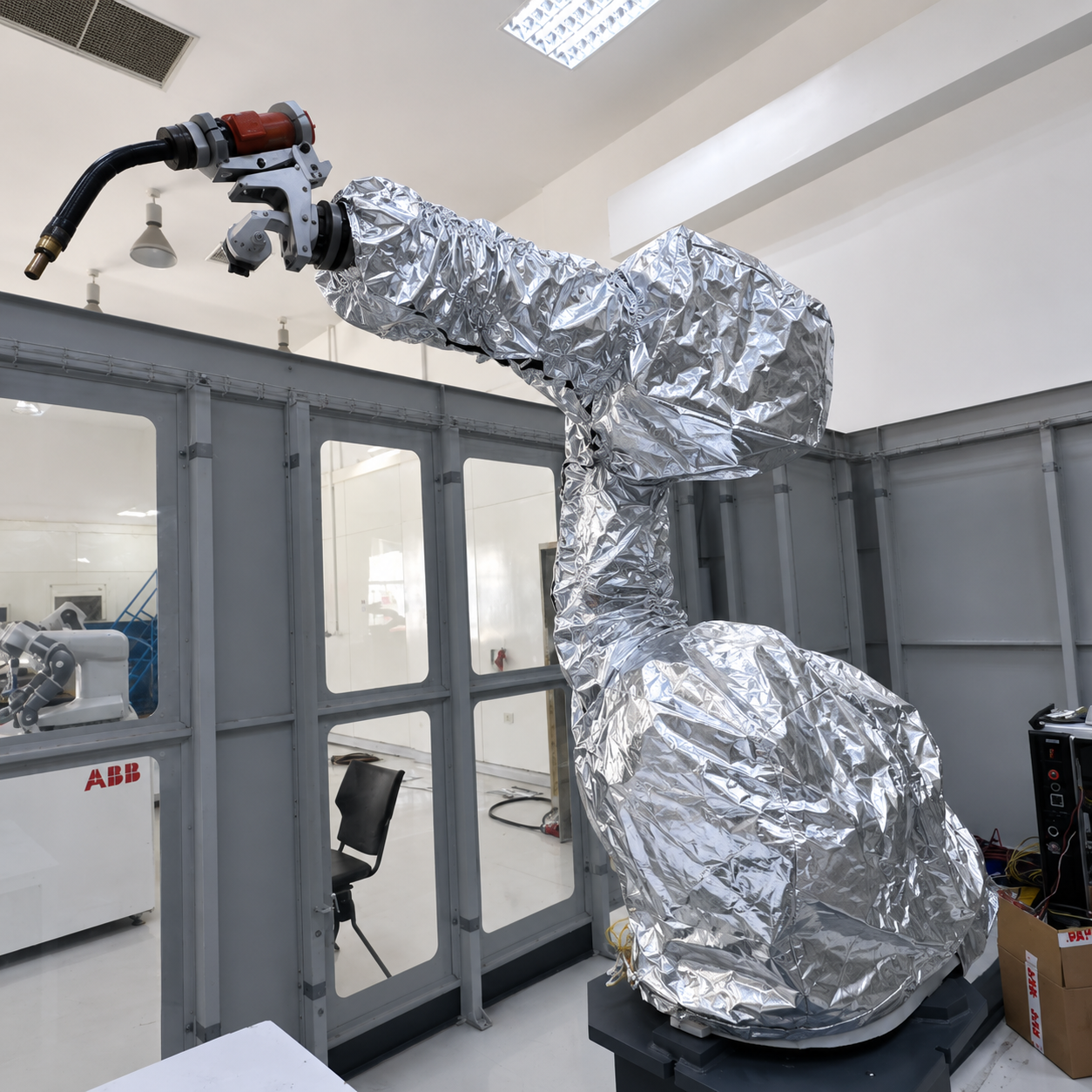 FBH01
FBH01High Temperature
Foundry, furnace
Heat protection
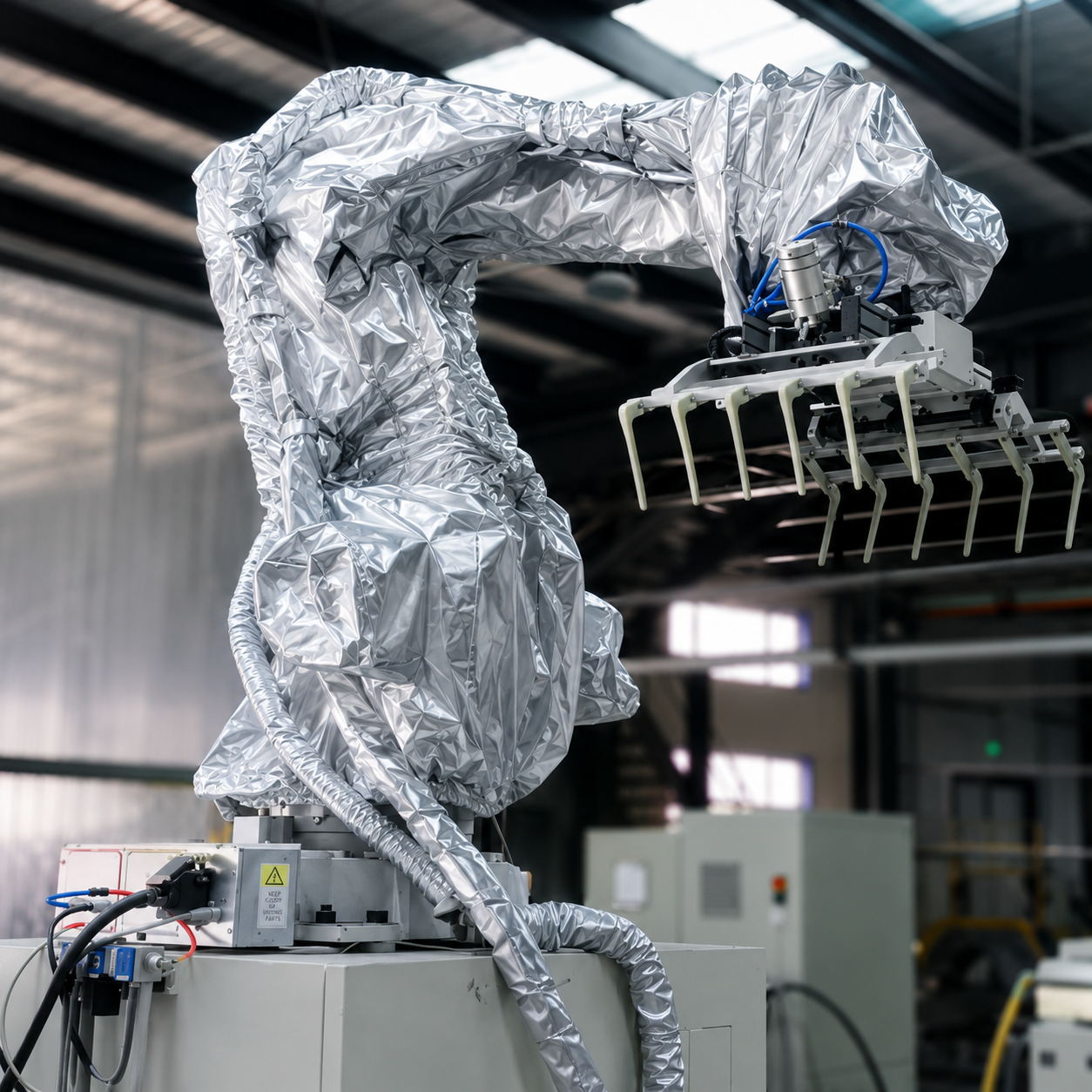 FBH02
FBH02Molten Aluminum Splash
Die casting
For aluminum casting environments
Built for demanding industrial environments
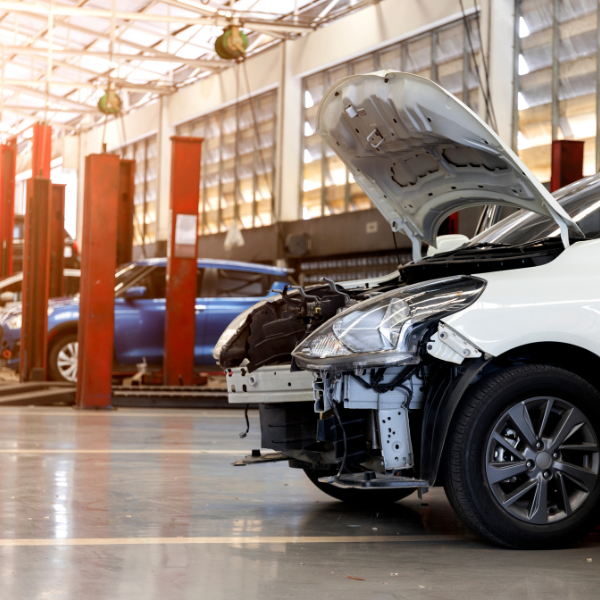
Automotive
Body shop, paint shop, welding, sealing, handling

Paint Shop
Overspray, paint mist, coating contamination
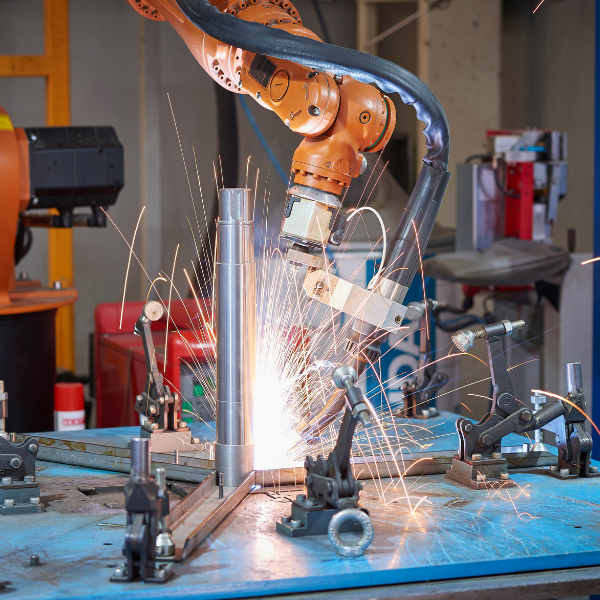
Welding
Spatter, heat, sparks, harsh process exposure
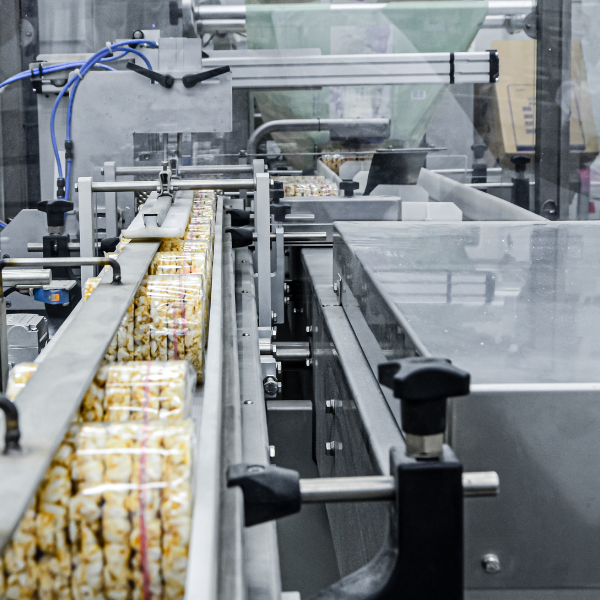
Food / Pharma
Cleaning workload, hygiene-sensitive production
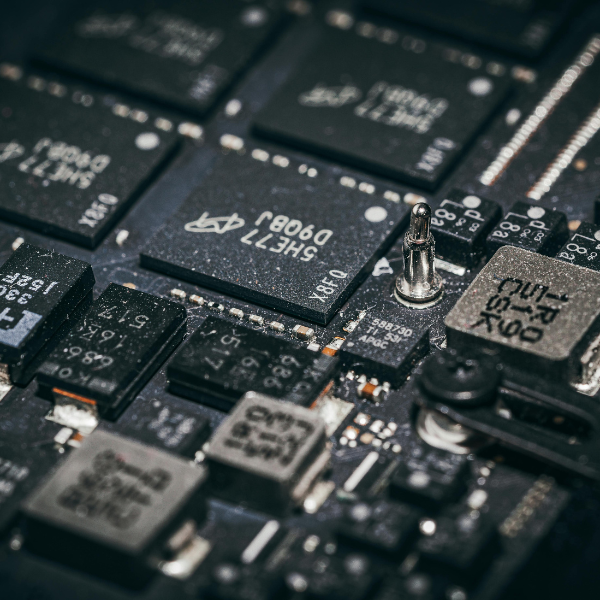
Electronics
Anti-static and cleanroom-related requirements
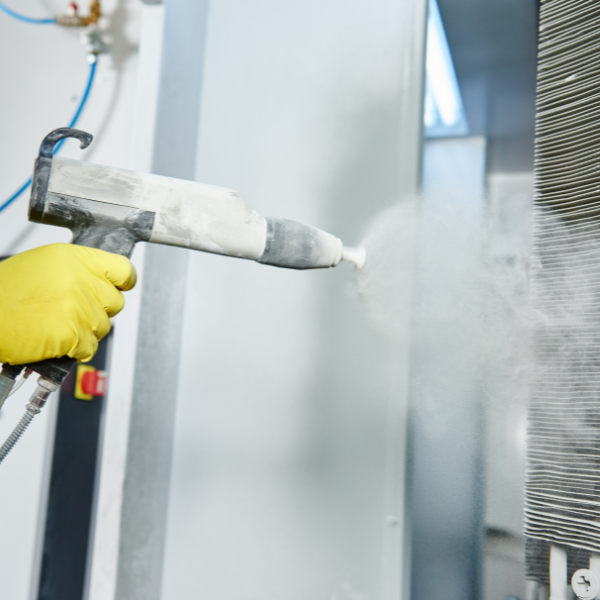
Powder Coating
Powder dust accumulation and surface contamination

Chemical
Chemical splash and cleaning process exposure
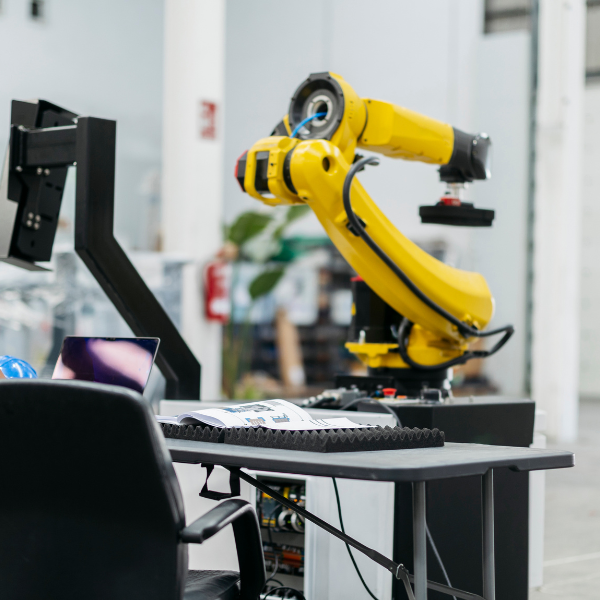
System Integrators
Reliable cover recommendation for robot projects
From robot data to custom-fit protection
Send robot model / photo / working environment
Share your robot model, on-site photos, the area to protect, and your working conditions.
CAD review or site measurement
We review CAD or visit your site to measure and check real risk points.
Material selection
We match fabric to dust, paint, oil, chemicals, heat, or weld spatter.
Custom production
We produce a cover built for your robot model and its real motion.
Delivery and support
We deliver with installation and basic usage guidance.
Leadico engineering background
FABOTSUIT® is developed under Leadico’s industrial robotics experience. We support factories, maintenance teams, procurement teams, and system integrators who need technical confidence before purchase.
- Industrial robotics experience
- Registered specialist brand
- Supports ABB, FANUC, Yaskawa, KUKA, Kawasaki, Mitsubishi, Nachi, Universal Robots and more
- Thai local sales and engineering support
Robot brand names are used for compatibility reference only. FABOTSUIT® and Leadico are independent suppliers and do not claim to be official partners of robot brands.
Frequently Asked Questions
How long does a robot cover last?
Typically 0.6 – 1.5 years, depending on the customer’s actual on-site usage — including working environment, robot motion, application type, cleaning method, and level of exposure. We help select suitable materials and design to reduce early failure risk.
Can you make covers for any robot brand?
We support many industrial robot brands including ABB, FANUC, Yaskawa, KUKA, Kawasaki, Mitsubishi, Nachi, Universal Robots, and others. Robot brand names are used for compatibility reference only.
Do you need CAD files?
CAD files are helpful, but not always required. We can also work from robot model data, photos, existing covers, or site measurement.
Can you visit site for measurement?
Yes. Site measurement service is available depending on location and project scope.
Is this a standard catalog product?
Not exactly. We can work with CAD-based patterns when available, but even catalog-referenced sizes must be cut fresh for each job — because every robot brand and model has different joint geometry, motion range, and tooling constraints. Every cover is produced to fit.
Can it protect against heat or welding?
Yes, we can propose heat-resistant or welding/spatter protection materials depending on exposure level. It is designed to help reduce risk, not to guarantee unlimited protection.
How do I request a quotation?
Send your robot model, application, working environment, photos, and required protection area via LINE, Email, or WhatsApp — or use the request form on this page.
Send your robot model and working condition today.
Send us your robot model, on-site photos, and working environment, and the FABOTSUIT® team will help assess the right cover for you. International customers are welcome to send photos for an initial assessment — if we need more detail, such as hose length, air-line routing, or any add-ons mounted on the robot, we’ll request those measurements.
Designed to help reduce contamination, cleaning workload, and maintenance exposure. Actual performance and service life depend on working environment and application.